
Full dismantling of the 7 major external link channels: How to make it easier for Google and AI to discover and trust your brand
Really high-value external link channels are divided into seven core categories: news media, Wikipedia, blog sites, industry forums, social media platforms, B2B platforms and industry yellow pages.
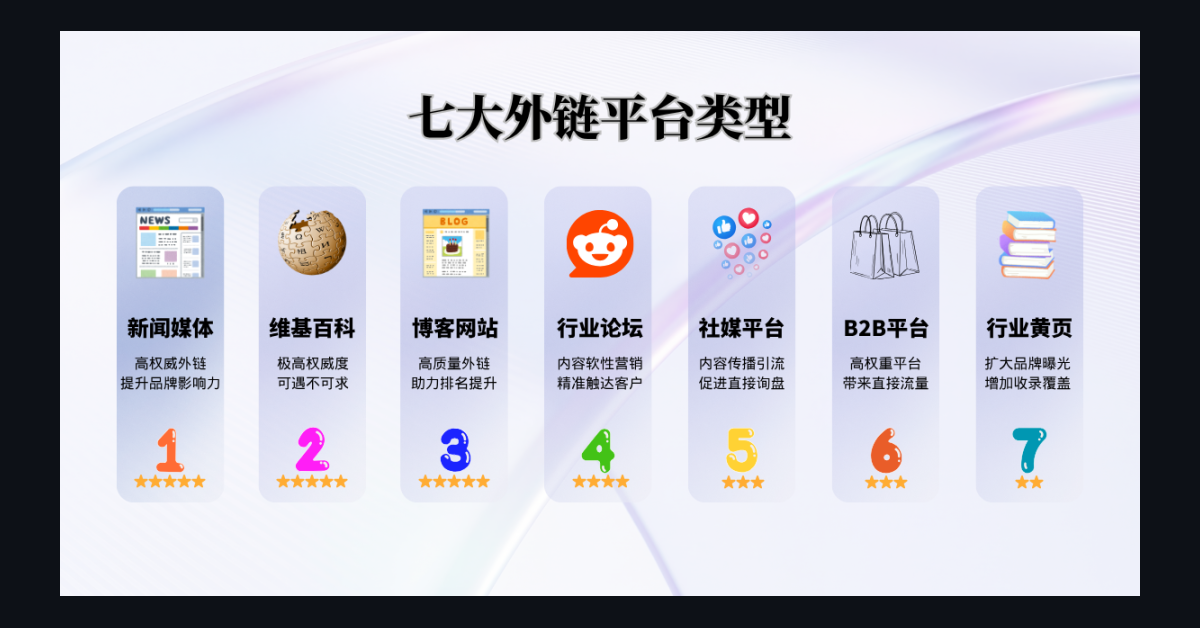
Let me start with the conclusion: more external links are not better, and there are no "must-have channels"
Many companies have just started to build independent websitesSEO, you will take some detours on external links: spend a lot of time submitting links, but the ranking does not change significantly; leave URLs in batches in forums, blog comment areas and yellow pages; purchase so-called high-weight news media packages; only look at third-party scores such as DR and DA; or publish a lot of duplicate content for links.
As a result, the number of links increased, but website traffic and inquiries did not improve. Some practices may even be identified as link spam by Google.
Google does use links to discover new pages and uses links as one of the signals to understand page relevance, but it also explicitly lists buying ranking links, excessive link exchange, bulk directory submissions, and low-quality articles with optimized anchor text as possible link spam behaviors.
So, the real problem of external link building is not "where else to leave a URL", but which websites are willing to truly mention the company, whether the mention is related to the business, whether the link can bring target customers, whether the source has editorial review, whether the brand information is true and consistent, and whether the link is worth retaining for a long time.
The same goes for GEO. External links can help Google and AI discover, understand and cross-verify brands, but they cannot guarantee rankings, nor can they guarantee that AI will definitely recommend companies.
What is the difference between SEO external links and GEO brand signals?
SEO external links usually focus on whether the link can help search engines discover the page, understand the topic, and whether it may bring relevance and authority signals to the page.
GEO pays more attention to whether there is enough information in the public network so that AI can confirm who the company is, what it mainly provides, which markets it serves, whether it has relevant experience, whether the company information can be verified by other sources, and which pages are worthy of being used as the source of answers.
The two overlap, but they cannot be completely equal. A forum link may not directly bring about significant ranking changes, but it may bring real visits and brand discussions; an industry media report may not use target keywords as anchor text, but it can provide third-party verification; a B2B platform information page may also help unify company name, product and official website information.
| Value type | Main function |
|---|---|
| Search discovery | Help search engines discover websites or new pages |
| Topic relevance | Indicate that the company is related to a certain product, industry or application |
| Referral traffic | Directly bring visits, inquiries or brand searches |
| Brand verification | Provide third-party information for search engines, AI and buyers |

1. News media: value comes from real reports, not media names
News media may provide strong third-party verification for brands, but they cannot simply say "news media has the highest external link weight." Whether a media link is valuable depends on whether the media is relevant to the industry, whether the content has been reviewed by editors, whether the company is truly newsworthy, whether the article is written by an independent author, whether the information can be verified, whether the page can be accessed and indexed normally, and whether the link is a paid advertisement or sponsored content.
What kind of content is more likely to get media coverage?
Enterprises can prepare topics based on real events and materials, such as new factories or production lines, product technology breakthroughs, new certifications or testing results, important market cooperation, industry research and surveys, publicly available data, representative project cases, participation in industry standards, public welfare projects and professional comments on industry changes.
What the media needs is facts that can be reported, not a company introduction with a changed title.
Does paid press release equal to high-quality external links?
Not necessarily. Many press release services will synchronize the same content to a large number of websites. Such pages may lack real readers, may expire quickly, cannot be indexed, or use link attributes such as nofollow and sponsored.
Paid posting itself is not necessarily illegal, but if the main purpose of paying is to manipulate rankings, the link should be tagged with appropriate attributes. The priority goals of news media should be brand exposure, third-party verification and referral traffic, rather than purchasing a "high-weight dofollow external link".
Correct approach
Prepare a unified corporate factual information, including the company's standard name, brand name, establishment time, location, main products, target market, core data, person in charge or expert information, official website, and verifiable pictures and documents. This can reduce corporate message conflicts between different media and platforms.
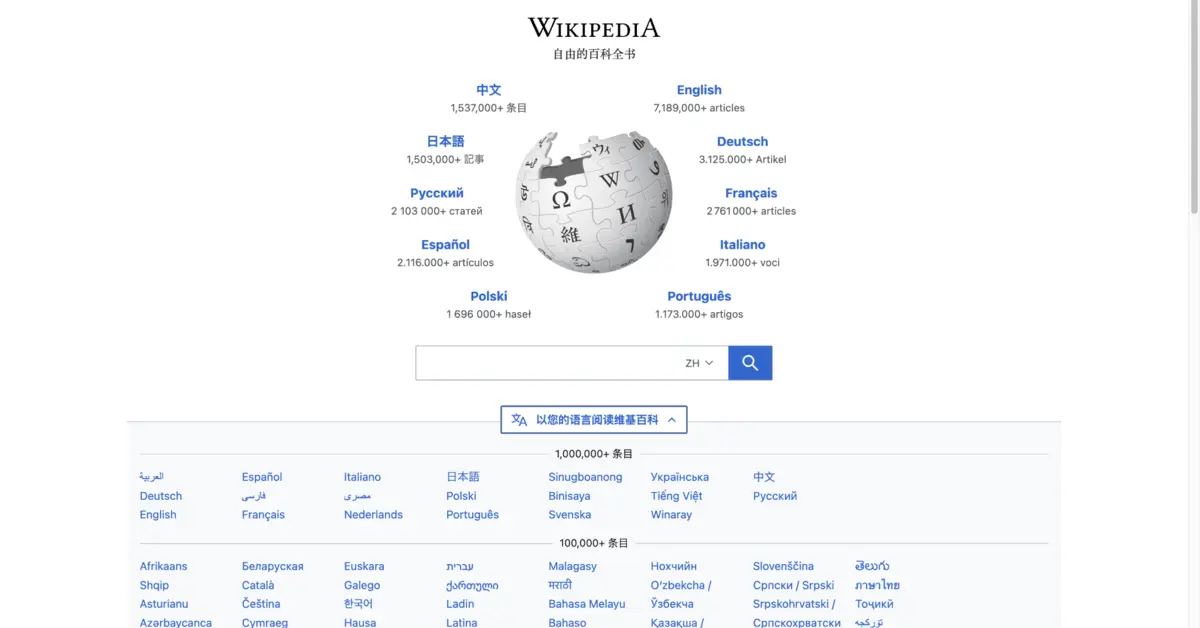
2. Wikipedia: not an external link channel, but the result of popularity
It is a dangerous misunderstanding to regard Wikipedia as a channel for building external links. Wikipedia is not a corporate yellow pages, nor is it a brand promotion platform. Whether a company is suitable for owning an entry mainly depends on whether it has received enough reports from independent and reliable sources, rather than how much introductory material the company itself can provide.
Why shouldn't you create Wikipedia entries for SEO?
The company may not yet meet the attention requirements. Self-editing may cause conflicts of interest. Promotional content may be deleted. Unreliable sources cannot prove the company's popularity. External links need to comply with strict rules. Moreover, Wikipedia external links use nofollow, which is not suitable for the purpose of improving search rankings.
What should companies really do?
Don't ask "how to create a Wikipedia entry" first, but first check whether the company has received independent industry media coverage, whether it has public and reliable information that is not controlled by the company, whether it has a demonstrable impact in the industry, and whether there are sufficient third-party sources to support the entry content.
Wikipedia entries are more like the result of a company's popularity developing to a certain stage, rather than an external link task in the initial stage.

3. Blogs and industry websites: The focus is on professional relatedness, not the number of guest articles
The blogs on the company's own independent website are internal content, not external links. Only articles on other industry websites, partner blogs and professional media may form external links.
Which blog links are more valuable?
Sources that are generally worth pursuing include industry media, professional technical websites, customer case pages, supplier or partner websites, industry association blogs, certification body profile pages, trade show and event websites, and websites related to product applications.
For example, it is usually more natural for an industrial sensor company to obtain technical citations from automation industry websites than to publish an article with keyword links on a comprehensive life blog.
What problems are most likely to occur with guest articles?
Common risks include publishing the same article to multiple websites, content unrelated to the site's topic, forcibly implanting keywords for links, using exact match commercial anchor text, purchasing low-quality guest articles in large quantities, the website itself is dedicated to selling links, the page has no real readers, and the article is simply a rewrite of the corporate website content.
What content is more likely to get citations naturally?
Original industry data, technical tests, parameter comparisons, calculation tools, selection guides, downloadable templates, real cases, original pictures and charts, industry standard explanations and professional research are all more likely to become content worth citing. Building content first and then finding suitable communication channels is usually more stable than buying links directly.

4. Industry forums: The value of industry forums lies in real discussions, not in batches of links
Reddit, Quora and vertical industry communities can bring long-tail traffic, real discussions and user feedback. However, forum links usually belong to user-generated content, and many platforms use attributes such as nofollow or ugc, and should not be used as a tool to improve rankings in batches.
What can the forum really bring?
Forums can help companies discover the real language used by customers, understand frequently asked questions by buyers, verify content selection, obtain brand exposure and relevant referral visits, display professional answers, and observe customer evaluations of products and suppliers. For GEO, forum discussions may also provide a public market voice for AI.
Correct way to participate
Answer the question first, and then consider whether you need a link; the link must be directly related to the question; clearly state the relationship with the enterprise; do not pretend to be an ordinary customer to recommend yourself; do not post the same content repeatedly; do not use multiple accounts to create discussions; respect community rules and participate in the long term.
If the answer is still valuable after removing the link, this is usually a piece of content worth publishing.

5. Social media: Mainly responsible for communication and brand contact
Platforms such as LinkedIn, YouTube, Facebook, Instagram, X, and TikTok can help companies continuously showcase product applications, factory production, project cases, technical descriptions, exhibition activities, employee teams, quality testing, industry perspectives, and customer FAQs.
Social media links should not simply judge their value based on "pass or not weight". It is more suitable to undertake content distribution, brand exposure, search entrance, referral traffic, corporate information supplement, customer interaction and brand entity consistency.
Why publishing only content usually has limited results?
Social platforms themselves rely on interaction and content distribution. If a company only mechanically publishes product pictures without replying to comments, participating in industry discussions, or continuously outputting professional content, it will be difficult for the account to have a stable impact.
Enterprises should improve their homepage, unify the brand name and official website, continue to publish customer-related content, let real employees or responsible persons participate in the expression, reply to valuable comments, establish connections with customers, partners and industry people, and guide high-value content back to independent stations.
Social media is not a link farm, but a place for brands to connect with real users.
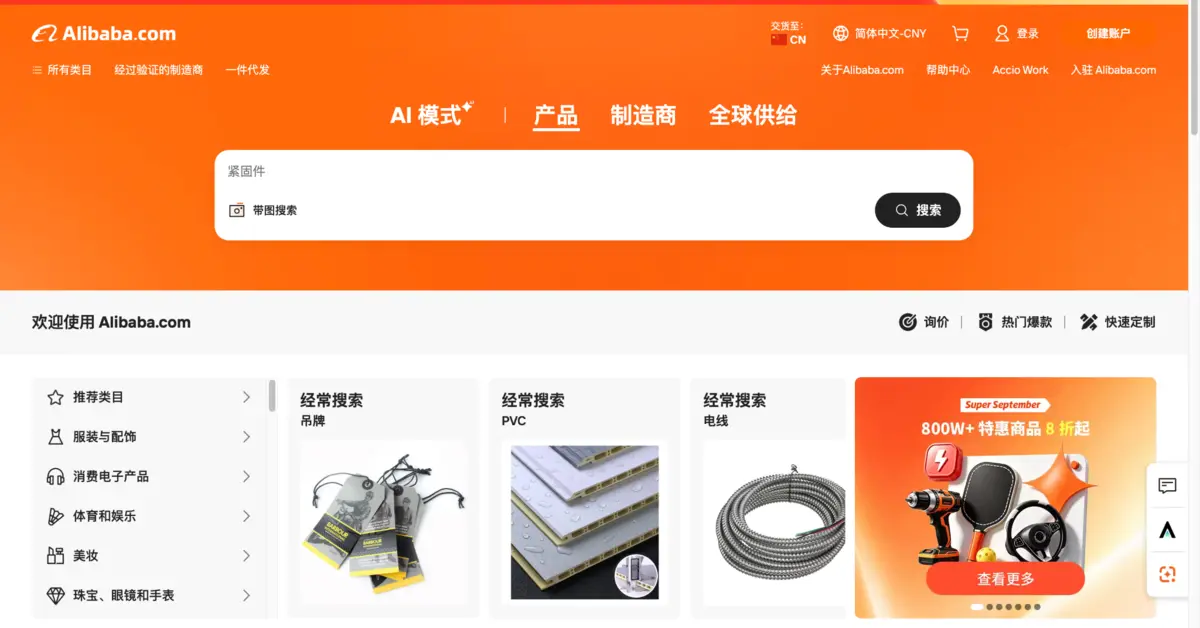
6.B2B platform: focuses on buyer discovery and corporate information verification
Alibaba International Station, Global Sources, Made-in-China and vertical industry B2B platforms, the main value is to connect buyers, display products and generate inquiries. Understanding them only as external link channels will underestimate their main role.
What value can the B2B platform provide?
B2B platforms can contact existing buyers, display products and corporate information, obtain in-platform inquiries, increase brand exposure and official website referral visits, and provide third-party corporate information. For GEO, maintaining consistent brand names, main products, addresses and official websites on different platforms helps reduce entity information conflicts.
B2B platform is not equal to local SEO channel
Whether a B2B platform helps local searches depends on whether the company serves a specific region, whether the page contains real local information, and whether the platform itself is suitable for the market. For most export manufacturers, its more important role is B2B buyer discovery, brand verification and referral traffic.
What should you pay attention to when using it?
The company name should be consistent, use accurate product classification, do not directly copy the entire content of the independent website, fill in real company information, retain the correct official website link, regularly update expired products, record visits and inquiries brought by the platform, and avoid registering a large number of unused platforms for external links.

7. Industry Directories, Associations and Yellow Pages: Few and accurate are more valuable than many and repeated
Yellow pages and directory websites are very different. What really deserves attention is not the "free submission directory", but the industry associations, chambers of commerce, certification agency databases, exhibition exhibitor directories, government enterprise directories, professional procurement directories, regional business directories, vertical industry supplier databases and partner directories that have actual relationships with corporate business.
The main value of directory external links
The directory can help customers verify enterprises, unify brand and contact information, provide industry classification signals, increase search discovery portals, bring a small but relevant referral visit, and support local or regional enterprise information verification.
Name, address, and phone number consistency is primarily suitable for businesses with clear office locations, stores, or local service needs. For global export manufacturers, the company body, brand name, product range and official website domain name should also be kept consistent.
Which directories should be abandoned?
Directories that have no real industry classification, pages full of advertisements and spam links, do not review corporate information, require the exchange of a large number of links, guarantee Google rankings through paid commitments, have no maintenance for a long time, have pages that cannot be accessed or indexed, and are completely irrelevant to the corporate market and industry should be cautious or abandoned.
How should the 7 types of channels be prioritized?
There is no universal external link priority for all enterprises, and it can be arranged according to the current stage.
Basic stage: first unify corporate information
Prioritize the completion of core B2B platform information, major social media homepages, industry associations or chambers of commerce, exhibition exhibitor directories, certification agency databases and important partner pages. The focus at this stage is on accurate information rather than quantity.
Growth stage: Strive for industry-related citations
Can promote customer case co-creation, supplier and partner links, industry website technical articles, vertical forum participation, expert interviews, podcasts and video interviews, as well as original research and data dissemination. The focus at this stage is on professional relevance and authentic audiences.
Brand stage: Carry out digital public relations and media cooperation
When the company already has cases, data, industry experience and a certain degree of popularity, it can try industry media reports, mainstream media topic selection, independent research releases, industry awards, public speeches, standard participation and authoritative interviews.
Wikipedia should not be listed as a "target". If the company already has enough independent sources and public attention, it can then judge whether it is suitable to establish an entry according to its rules.
How to judge whether an external link is worth doing?
Before submitting, exchanging or purchasing any links, you can check: whether the website is related to the industry, product or target customer; whether there is real content and readers; whether the link has been reviewed by editors; whether the main purpose of the page is to help users; whether it can bring exposure or customers even if it does not convey ranking signals; whether the brand information is accurate; whether the anchor text is natural; whether it needs to be marked as sponsored, nofollow or ugc; whether the page can be retained for a long time; and whether the value can be verified through visits, inquiries or brand searches.
If the only selling points of a link are "high DR" and "guaranteed dofollow", you usually need to be more cautious. DR, DA, etc. are third-party tool indicators, not Google's official scores, nor can they alone prove that the website is worth getting links.
How should the effect of external links be monitored?
Don’t just count the number of external links. Indicators that are more worthy of tracking include newly added relevant referring domain names, whether external link pages still exist and are accessible, referral visits and conversions, changes in brand word searches, visits to target countries, number of effective inquiries, media or community brand mentions, brand mentions and references in AI answers, and customer acquisition costs through different channels.
The link report in Google Search Console can provide part of the link information, but does not necessarily display all external links. Enterprises can also combine GA4, third-party SEO tools, brand monitoring and fixed AI problem testing for observation.
FAQ
The more external links, the better the ranking of the website?
No. Number of links is no substitute for relevance, content quality, and website foundation. A large number of low-quality or manipulated links may be of no value and, in severe cases, may pose a search risk.
News media external links must be better than industry websites?
Not necessarily. An industry website that is highly relevant to the business and has real readers may be more valuable than an irrelevant comprehensive press release.
Can I pay to buy external links?
Paid advertising, sponsorships and brand partnerships can exist, but rankings should not be manipulated through paid links. Appropriate link attribution should be used and Google policies should be followed when advertising or compensation relationships are involved.
Can Wikipedia links improve Google rankings?
Wikipedia should not be used as a ranking tool. Wikipedia uses nofollow for external links, and self-promotional editing by companies may also involve conflicts of interest and content deletion.
Are Reddit and Quora external links still valuable?
Yes, but the main value is usually discussion, brand exposure, user needs research and referral traffic. Leaving links in batches, pretending to recommend, and posting repeatedly can easily be deleted by the community.
Can social media links directly improve SEO?
This cannot be simply judged. Social media is more suitable for content dissemination, brand exposure, referral visits and corporate entity supplementation, and should not be measured solely by whether it delivers ranking weight.
Can B2B platform materials directly copy independent station content?
It is not recommended to copy large areas. Product facts can be kept consistent, but should be reorganized based on platform users and page structure to avoid using the exact same presentation across all channels.
How long does it take to see results from external link building?
There is no fixed period. Results depend on site foundation, content, link quality, industry competition, and search system processing. Any promise of improving a fixed ranking for a fixed period of time needs to be treated with caution.
Conclusion: sort out the existing external links first and then decide the next step
Now you might as well export the existing reference domain names of the website and divide them into seven categories: news media, Wikipedia and reference materials, blogs and industry websites, industry forums, social media, B2B platforms, as well as industry directories, associations and yellow pages.
Then mark each source as to whether it is relevant to the industry, whether it brings real visits, whether the brand information is accurate, whether it has generated inquiries, whether the link is still valid, and whether it is worth continuing to maintain.
After completing this step, you will usually find that there are not as many sources worth investing in as you imagined. External link building is not about spreading URLs all over the Internet, but about allowing companies to appear in places where customers, Google, and AI will actually refer to them.